
Sharpen Feedback, Strengthen Distance-First Teams
Today we dive into Remote Collaboration Feedback Drills for Distributed Teams, turning scattered comments into clear, courageous conversations. Expect practical rituals, playful exercises, and measurable guardrails that help teammates across time zones exchange honest insights faster, safer, and with less friction. Subscribe, comment with your toughest scenario, and we will workshop it together.
Ground Rules That Build Psychological Safety
Agree on lightweight signals for tone and intent: emoji codes for urgency, tags for desired responses, and brief prefaces like “seeking critique” or “sharing progress.” These cues remove guesswork in chat and docs, reducing reactive spirals and enabling faster, kinder exchanges when bandwidth, culture, and context differ across locations.
Design explicit overlap windows for collaboration, protect deep-work blocks with team-visible focus statuses, and rotate meeting times to share inconvenience fairly. Document quiet hours and escalation paths, so urgent feedback travels promptly while noncritical notes wait politely. People respond better when expectations, exceptions, and boundaries are unmistakably clear.
Normalize asking before offering critique, clarifying desired depth and direction. A quick “May I share improvement ideas or just celebrate?” prevents defensiveness. Pair this with the SBI model and short agenda notes, so conversations land where intended and teammates leave with energy, not anxiety or ambiguity lingering afterward.
Drills That Turn Vague Impressions Into Actionable Notes
Practice transforms instincts into reliable habits. These structured exercises convert “feels off” reactions into concrete observations, specific impacts, and clear next moves. Run them regularly in small doses, rotate facilitators, and timebox tightly. The goal is repeatable clarity that respects attention, builds momentum, and steadily upgrades team-wide communication muscles.
SBI in Sixty Seconds
Each person records a one-minute voice or video note using the Situation–Behavior–Impact pattern, then swaps with a partner for a mirrored response. Speed forces precision. Limiting scope reduces ego. Over time, teammates internalize concise framing that invites dialogue instead of debate and encourages timely, incremental course corrections.
COIN Back-and-Forth
Use the Context–Observation–Impact–Next step flow in a three-turn exchange: giver shares the first pass, receiver paraphrases, and giver refines to one actionable request. This rhythm uncovers assumptions quickly, prevents spirals, and ends with a concrete owner, timeline, and check-in signal everyone recognizes later.
Feedforward Runway
Instead of dissecting the past, ask for two specific suggestions to improve the next iteration and one risk to watch. People leave with momentum, not regret. Track which inputs are used, then publicly thank contributors when their ideas lift quality, speed, or customer delight in measurable ways.


Live Practice Labs for Video Calls
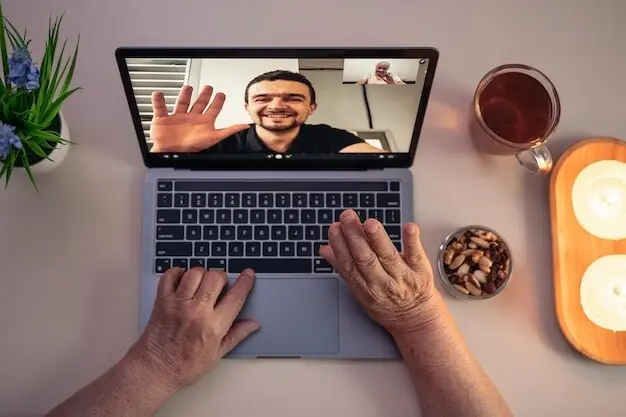
Short, energetic sessions on video help people experiment with tone, pacing, and body language without stakes. Use rotating facilitators, clear roles, and debrief templates. Participants build empathy by trying the other side’s script, then reflecting honestly about what felt respectful, persuasive, rushed, or vague in the moment.
Round-Robin Micro-Debriefs
In trios, one presents work, one gives crisp feedback, and one observes patterns. Rotate every five minutes. Observers surface meta-insights on tone, interruption, and question quality. The speed, structure, and role clarity remove awkwardness while building muscles for timeboxed, respectful critique that still reaches specific, valuable conclusions.
Red Team, Blue Team Collaboration
Split into builders and challengers. Builders present intent and constraints; challengers stress-test assumptions with curiosity, not combat. Swap roles and repeat. This format reveals blind spots quickly and turns critique into partnership, so distributed teams leave energized with clearer priorities, safer experiments, and sharper customer-centered problem statements to pursue.
The Silence Drill
After delivering feedback, the giver stays silent for sixty seconds while the receiver paraphrases and reflects. The pause lowers adrenaline, increases listening, and exposes misunderstandings before they harden. Remote calls feel calmer, decisions land cleaner, and participants notice how patience multiplies clarity across accents, lag, and screen fatigue.
Measuring Quality, Not Just Quantity
What gets measured improves, but only when metrics respect human nuance. Track signals that reflect timeliness, usefulness, and follow-through, not just counts. Blend quantitative dashboards with narrative reviews. Use results to tune rituals, reward learning behaviors, and quietly retire practices that create churn without improving outcomes or relationships.
Lagging, Leading, and Learning Indicators
Combine delivery outcomes, cycle times, and satisfaction scores with proxies like draft-to-approval ratios, rework levels, and adoption rates of suggestions. Add learning indicators: participation diversity, sentiment shifts, and self-reported confidence. Triangulation prevents gaming, highlights progress, and directs coaching where small skill upgrades would repay the team most.
Feedback Debt Radar
Map overdue reviews, stalled decisions, and unanswered questions each week to visualize load. Tag items by risk and owner, then clear them in focused sprints. Reducing debt restores trust, unclogs delivery pipelines, and proves that honest critique is an accelerator, not a tax, for high-velocity distributed work.
Calibration Circles
Once a month, a cross-functional panel samples anonymized feedback snippets and rates clarity, kindness, and usefulness. They propose phrasing upgrades and celebrate standout examples. Publishing highlights teaches shared standards, reduces ambiguity, and encourages everyone to write feedback that travels well across tools, contexts, and cultures without losing intended meaning.
Cross-Cultural Nuance Without Stereotypes
Distributed teams weave many languages, holidays, and humor styles. Instead of flattening differences, design practices that invite explanation and curiosity. People can disagree directly yet remain warm, ask for clarification without shame, and translate intent generously. Nuanced feedback becomes a bridge, not a barrier, when rituals protect dignity and understanding.

All Rights Reserved.